Everything changes, everything stays the same
Unearthing the hidden facets of Moonstone Lane - how pieces of the past survive beneath the veneer of a polished urban development plan.

‘Did you know that the CRANE is the national bird of Singapore?’
It took me a long painful minute to get the inside joke by my lovely guide Rhea Ann as she warmed us up for an interesting art walk I signed up for a few weeks ago in Singapore. It was organized by Oh! Openhouse, a non-profit group that hosts various walking tours for locals and tourists who want to learn about Singapore through personal and community stories.
The crane she was referring to is of course not the feathered kind, but one whose long slender neck is made of steel and digs through the earth with a hoist and a scoop as its beak. It is usually operated by a migrant worker with a class 5 driving licence.
That lighthearted opening set the tone for our adventure through a little known precinct called Moonstone Lane estate. In Singapore, buildings are constantly being demolished and rebuilt; factories, warehouses and even private pockets of farmland have to make way for new residences, schools, expressways and MRT train stations. Our ever-changing urban landscape is a hyper-rationalised grid that can be easily ‘cut-and-pasted’ from the West to the East, from the North to the South. I am sure it can be replicated on Tioman Island and Kusu Island in the near future too.
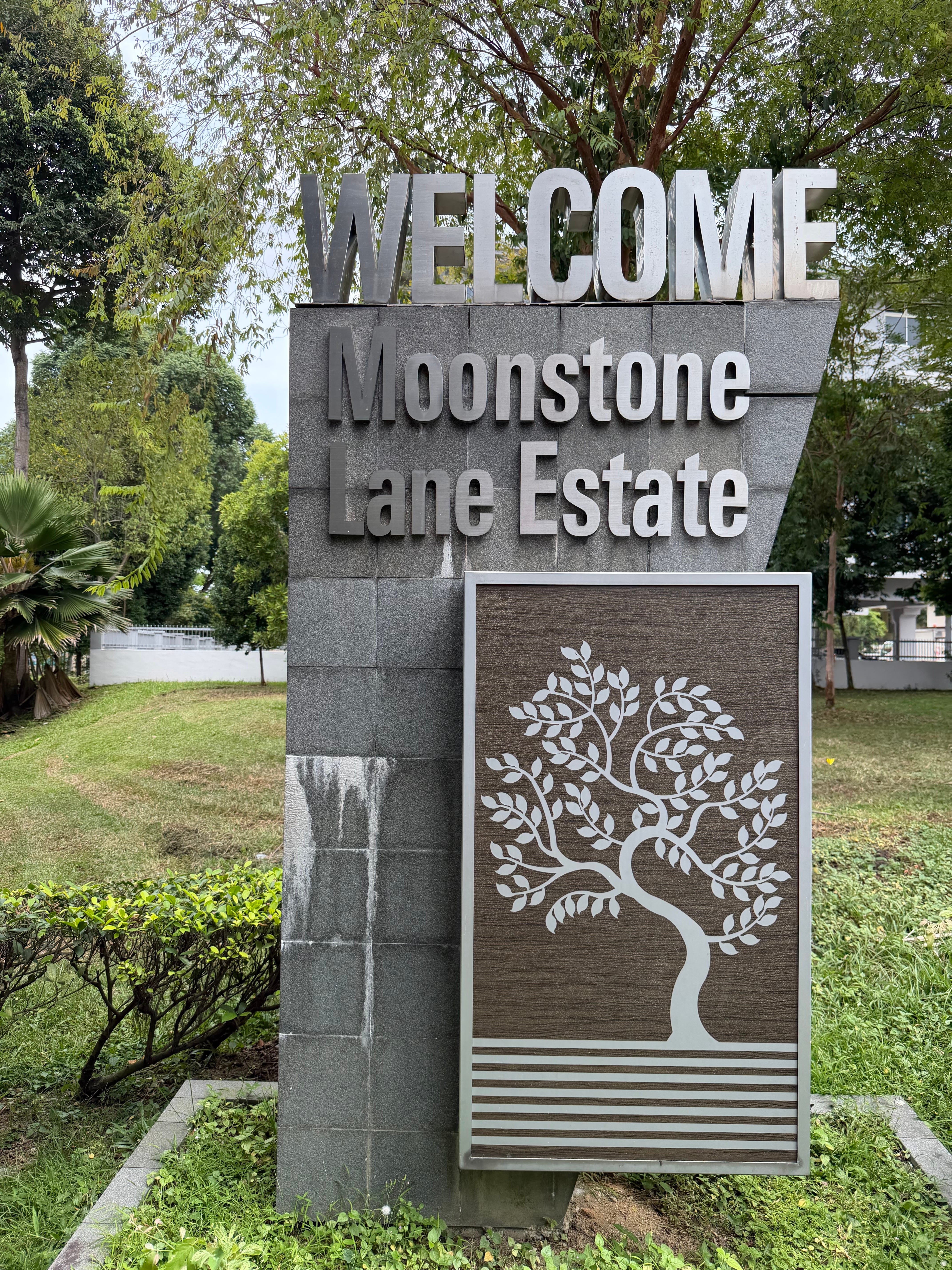
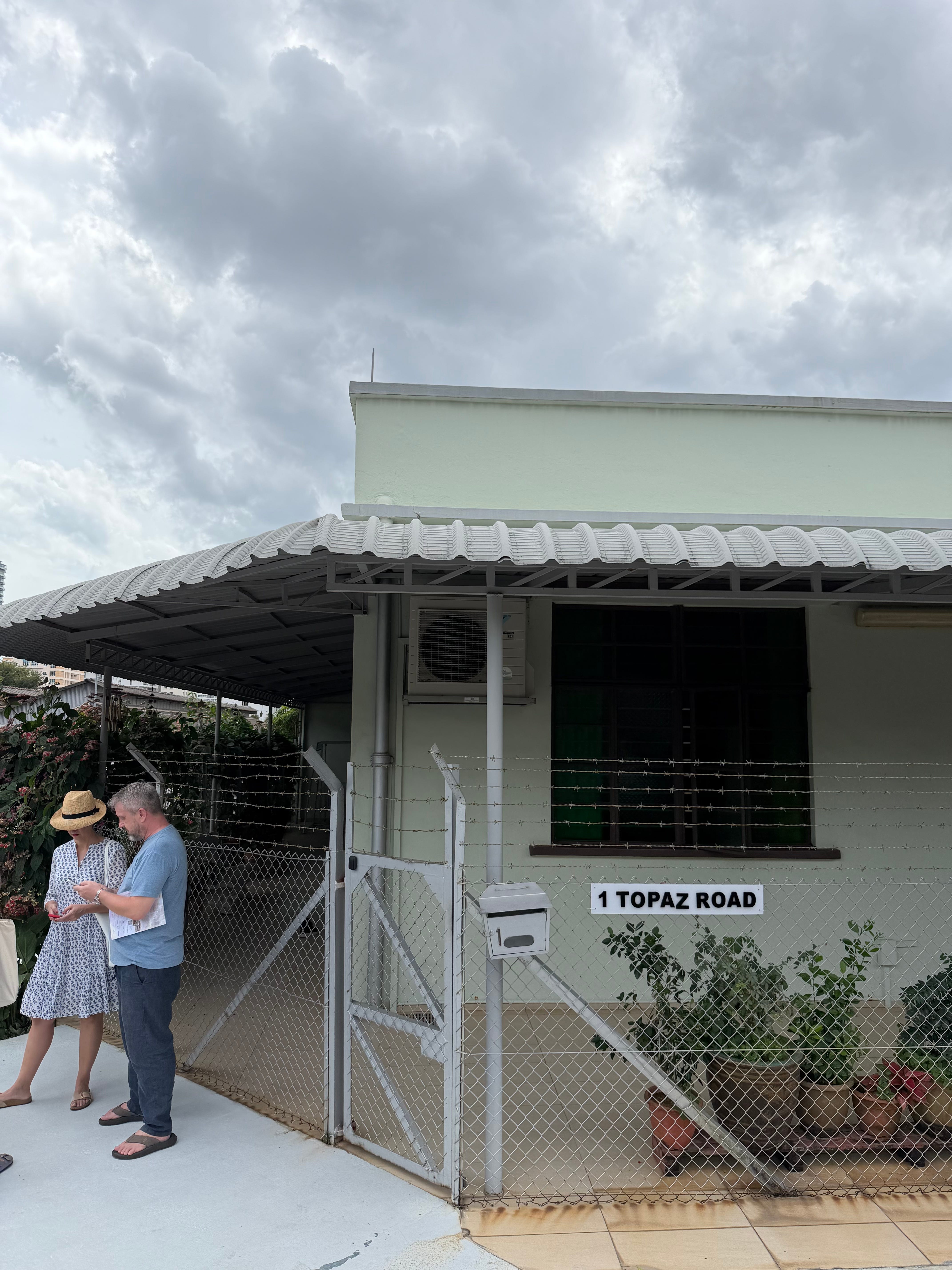
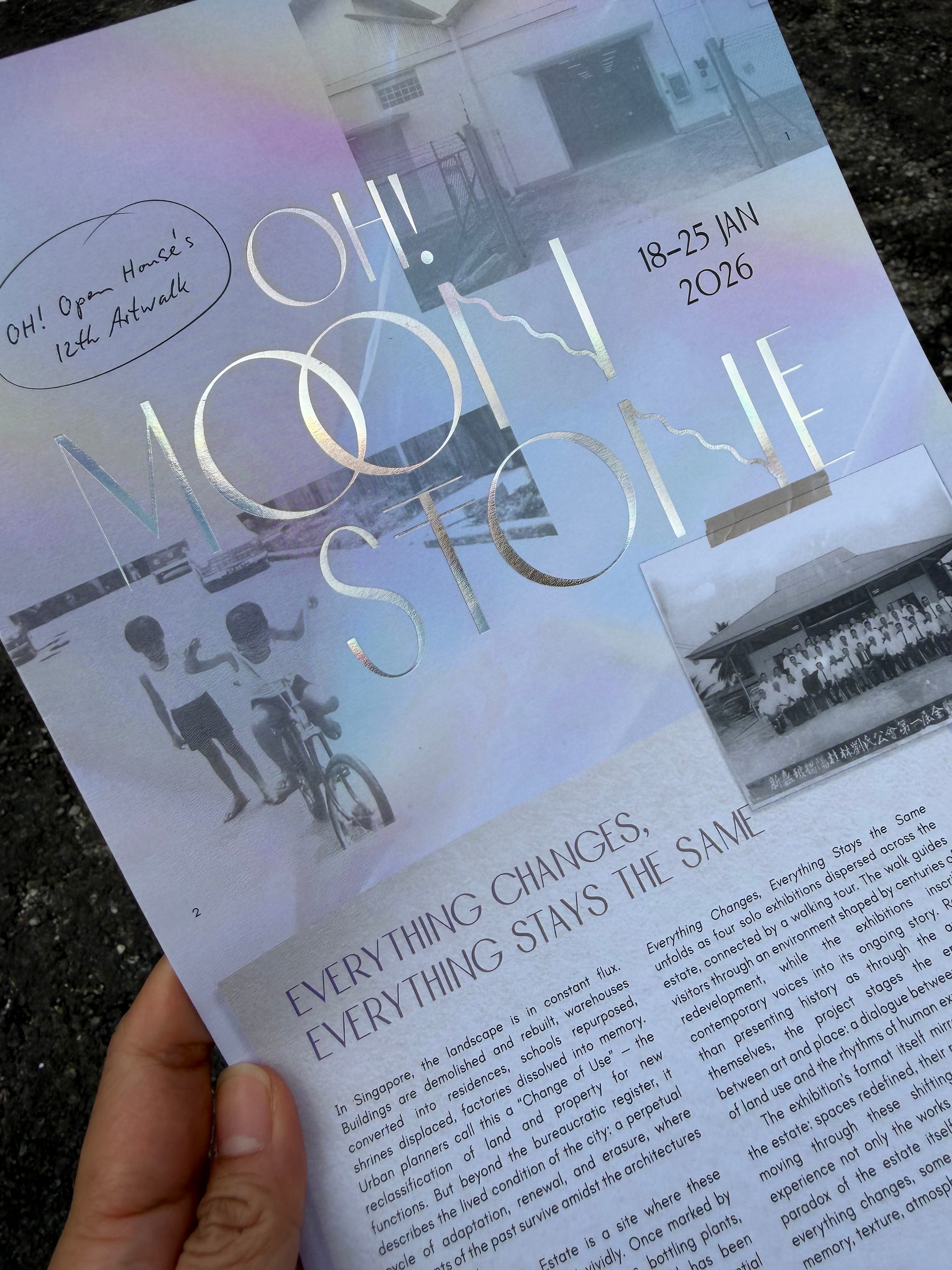
Moonstone lane, with connecting roads beautifully named Opal Crescent, Ruby Lane and Topaz Road, is a perfect gem of a site to show evidences of its ‘history marked by kampungs, warehouses and religious sites, as well as how the neighbourhood has reshaped across generations into the residential precinct it is today. Every shift has altered its function, yet each new layer carries traces of what came before. Moonstone Lane, is a place where transformation and continuity are entwined’. (as written in the tour leaflet)
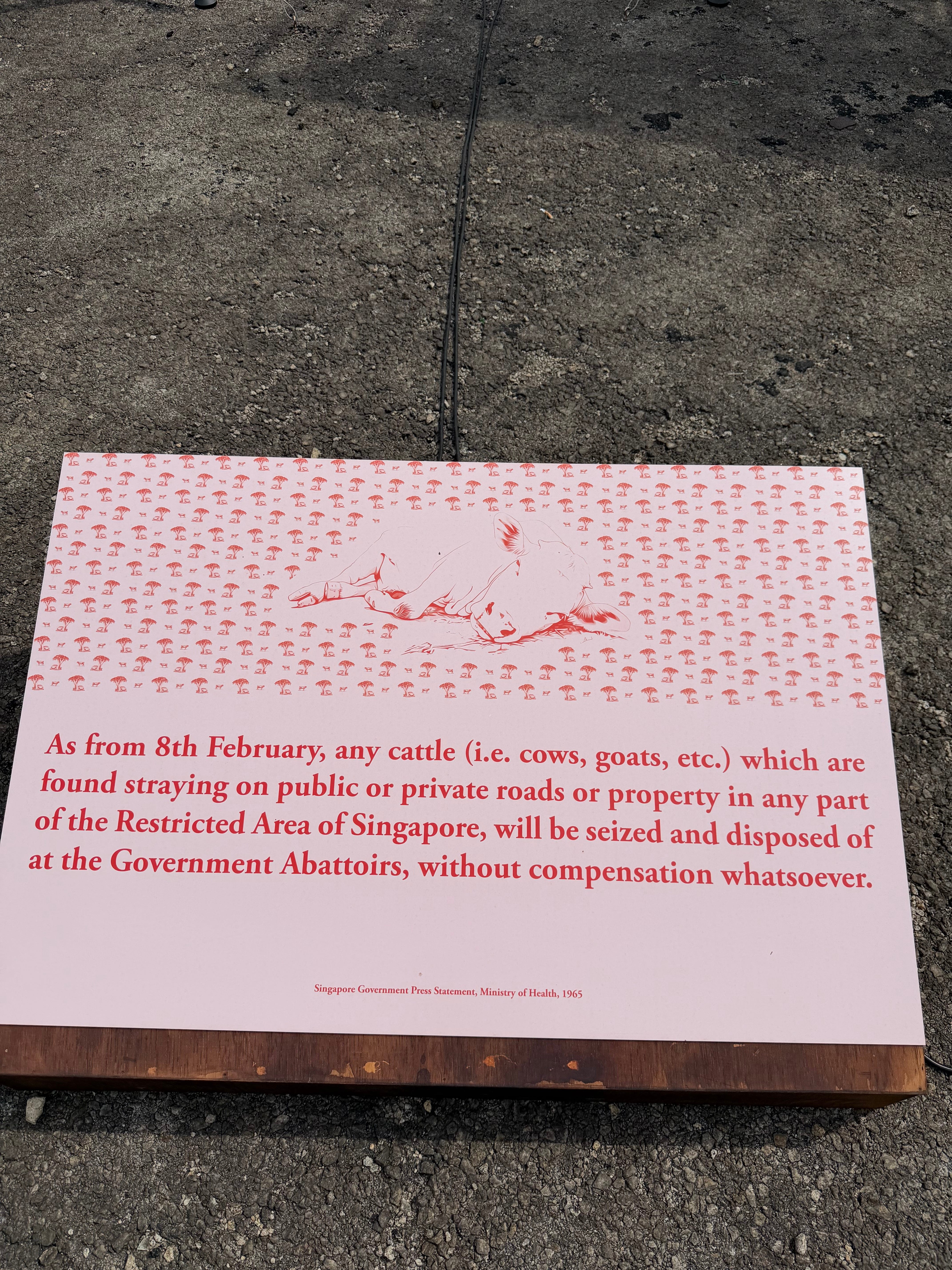
‘Everything changes, everything stays the same’ unfolds through this walking tour as we visit four solo exhibitions dispersed across Moonstone Lane estate. The site-specific artworks for the Singapore Art Week (18-23 Jan) allow open dialogue between the visitors and the estate spaces the installations resided on.
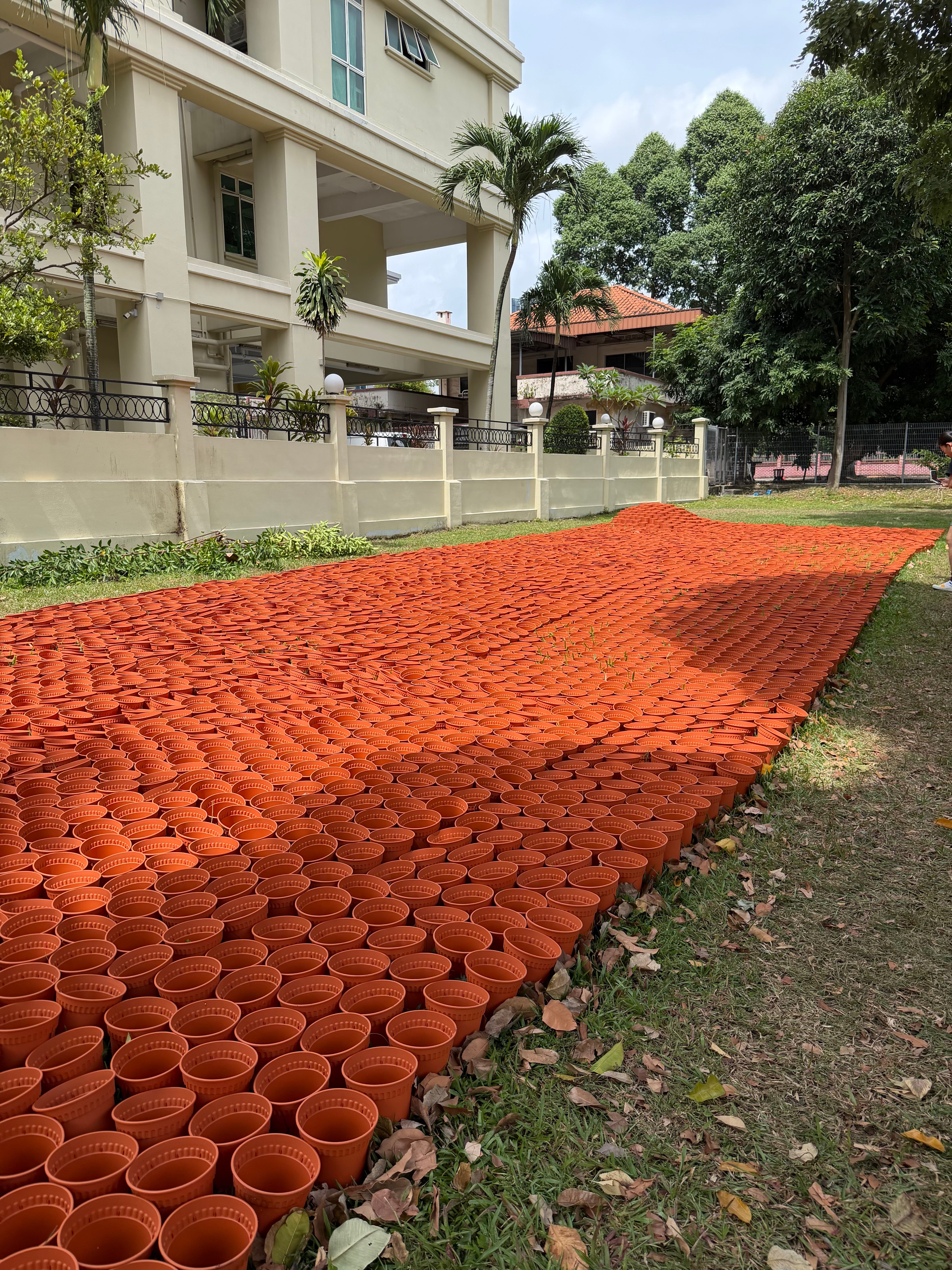
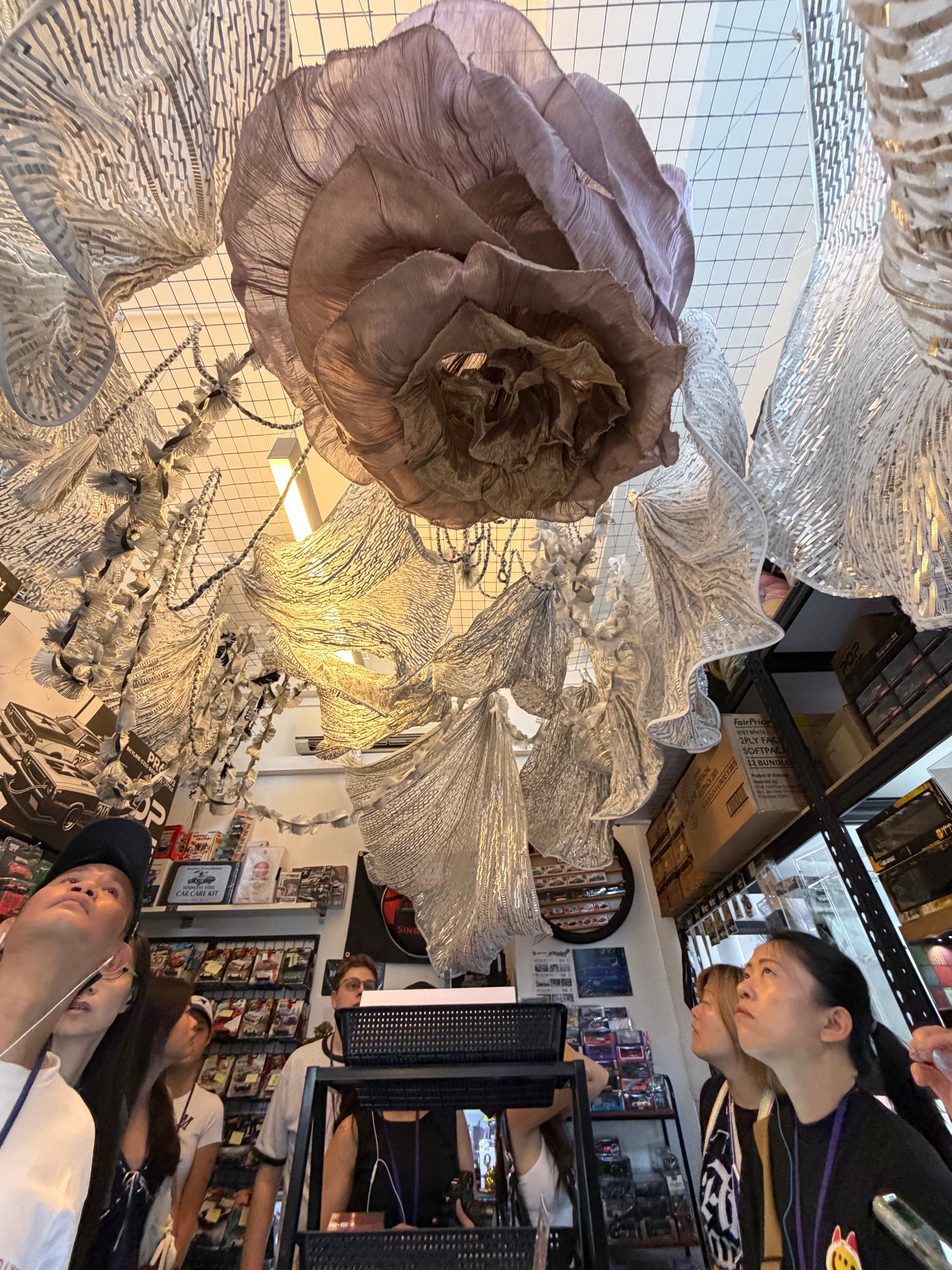
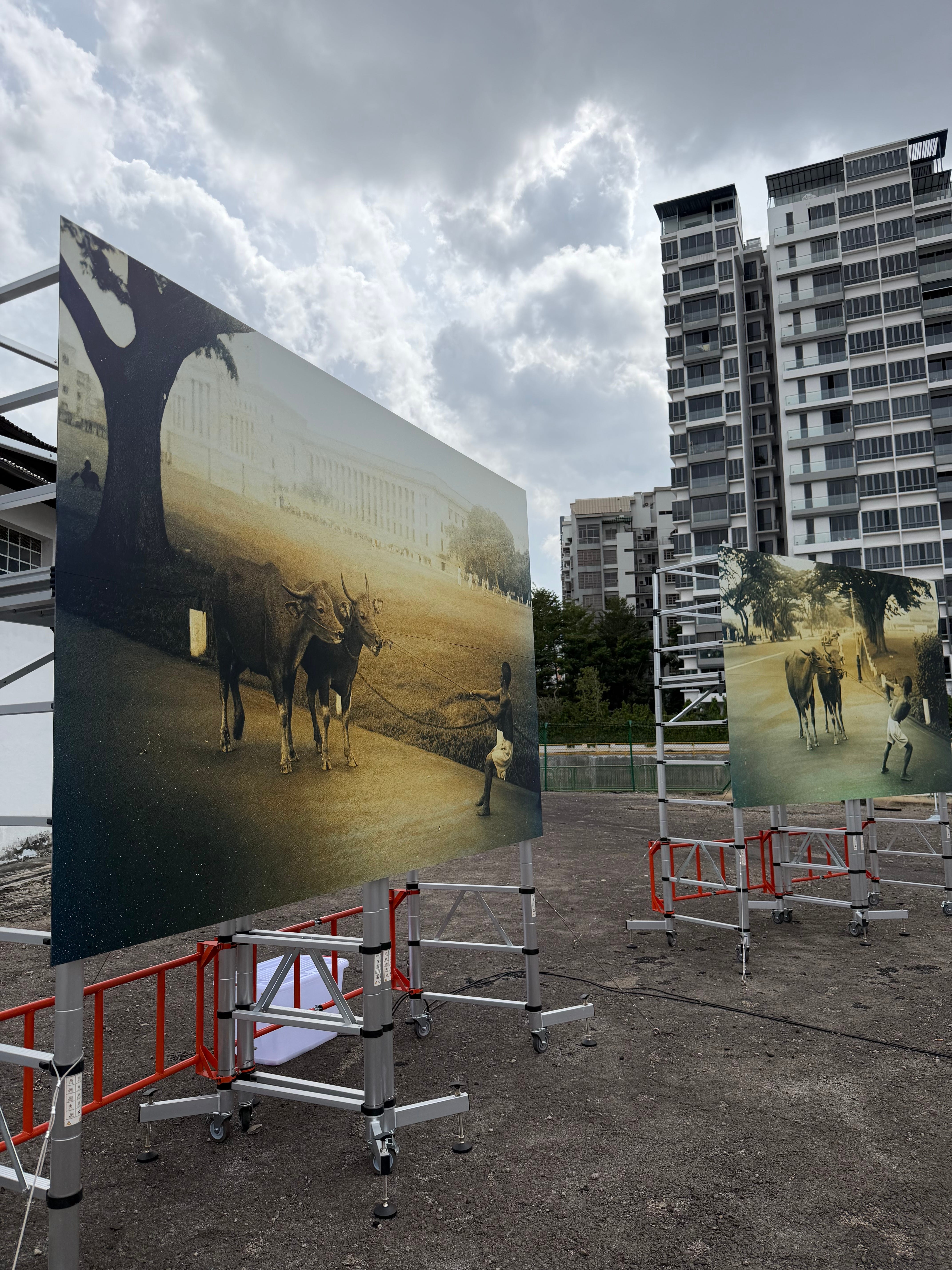
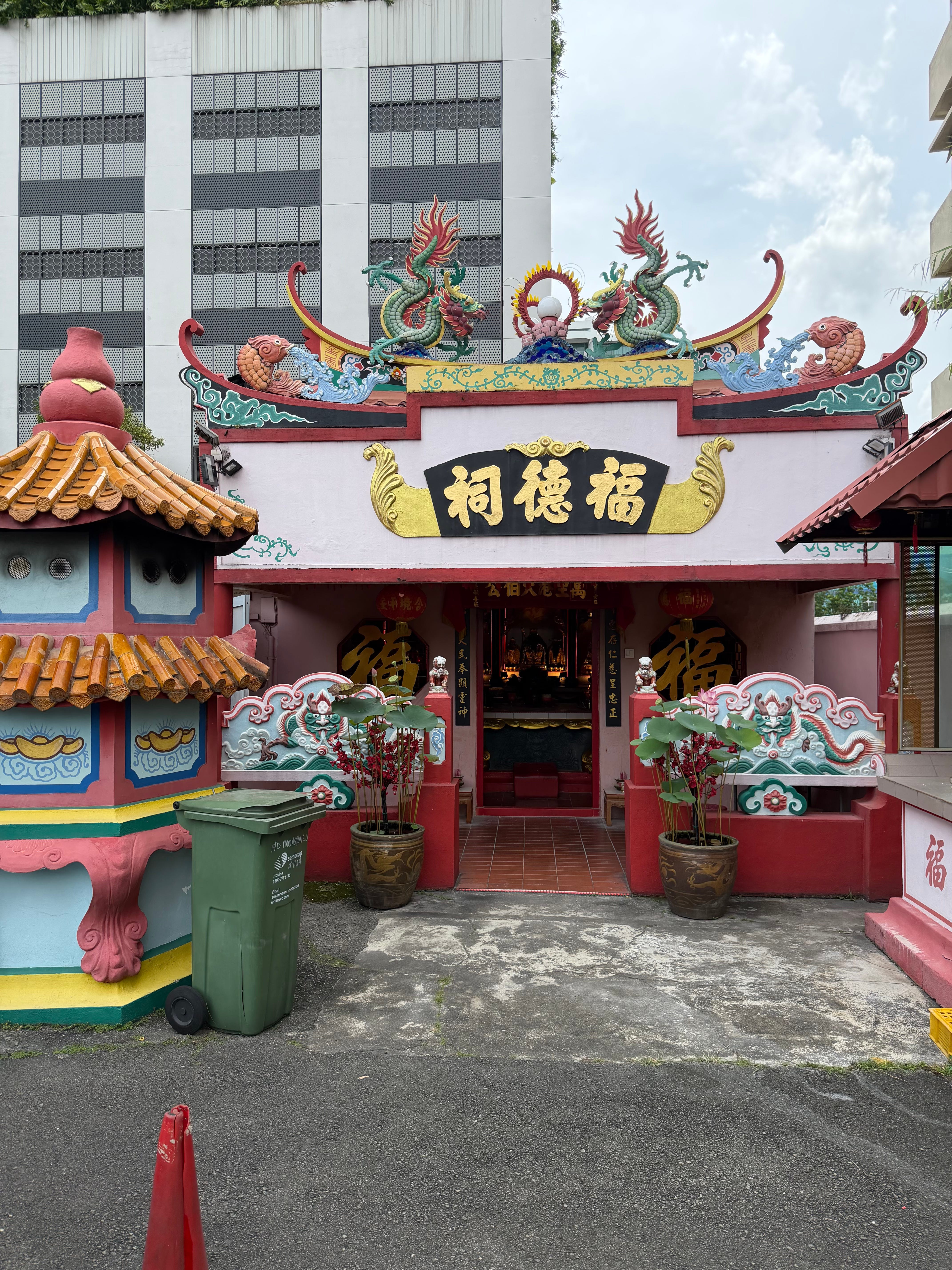
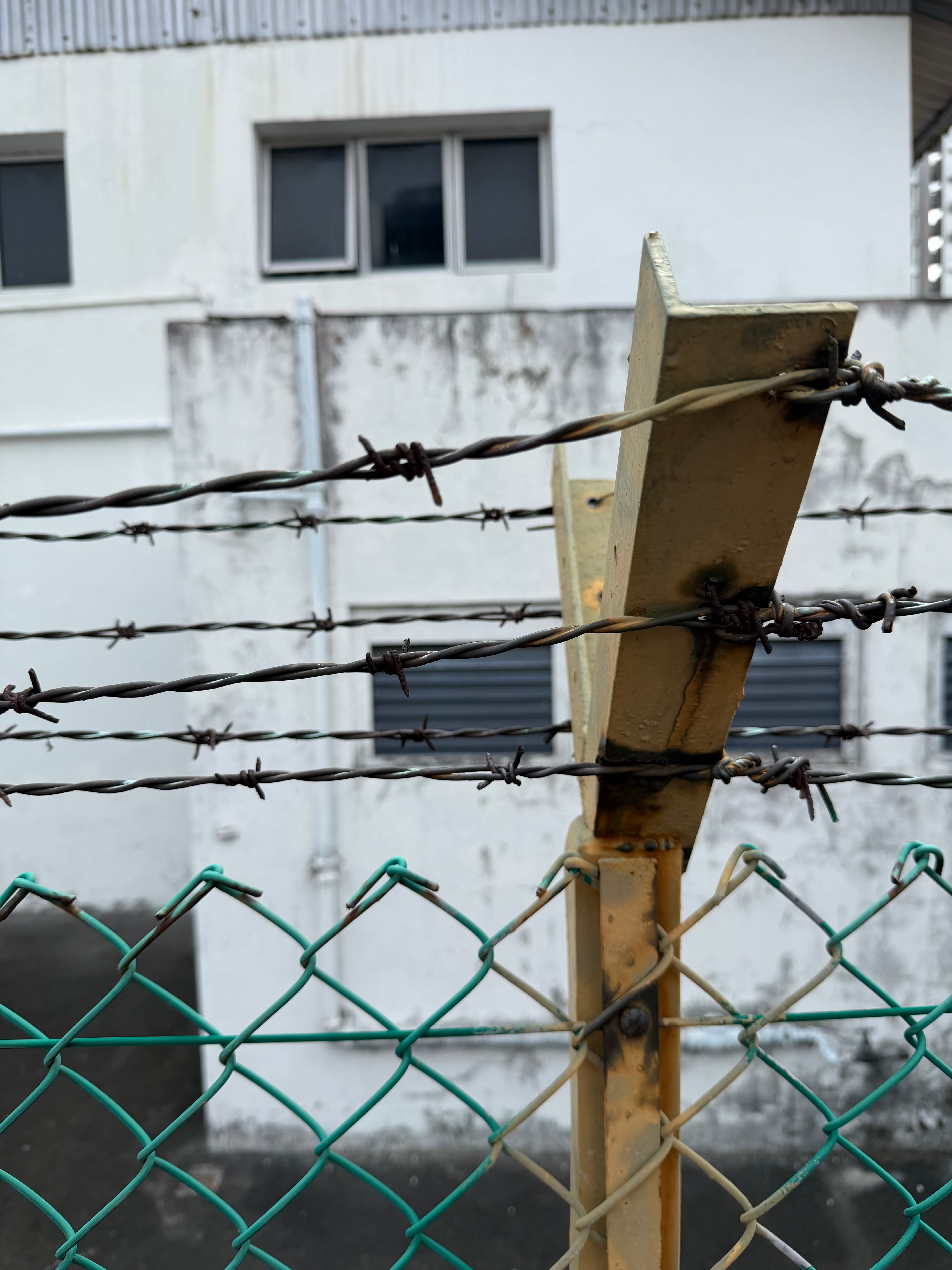
Along the way, we were also told personal stories and urban legends of key landmarks that still hold significance, mystic symbolism, memories and intangible value for the community living here, like the Sin Choon Huat temple and the Keramat (a muslim shrine) in the abandon warehouse on 49 Moonstone Lane. These landmarks - most of them now fenced up, unmarked or in decrepit states, while only a few are still well maintained and cared for by volunteer custodians, cultural associations and religious patrons, are essentially what connect Singaporeans to our past.
It is also encouraging to see a new generation of local entrepreneurs inject life into traditionally defined spaces in Moonstone Lane, like the local furniture company Muyi, which specialises in bespoked wood furniture and also showcases functional art pieces by well known artists located in an old commercial building - Poh Leng building.
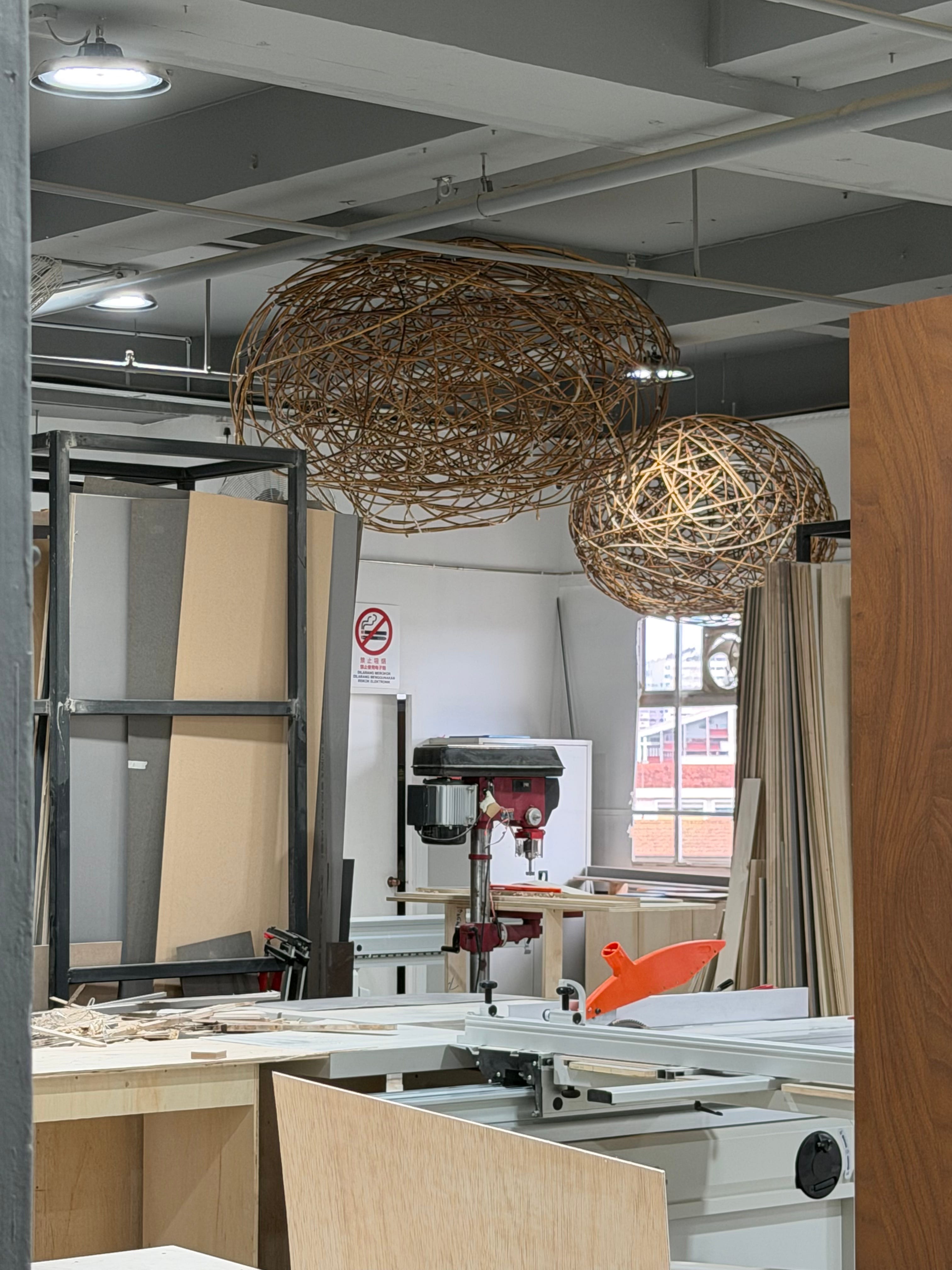
These shared places of religious worship, creativity, and communal areas where interaction and friendship amongst business owners and residents of different races and backgrounds are formed, as well as the stories that were passed down by the generations of residents here -
these are what give a place its identity and its life.
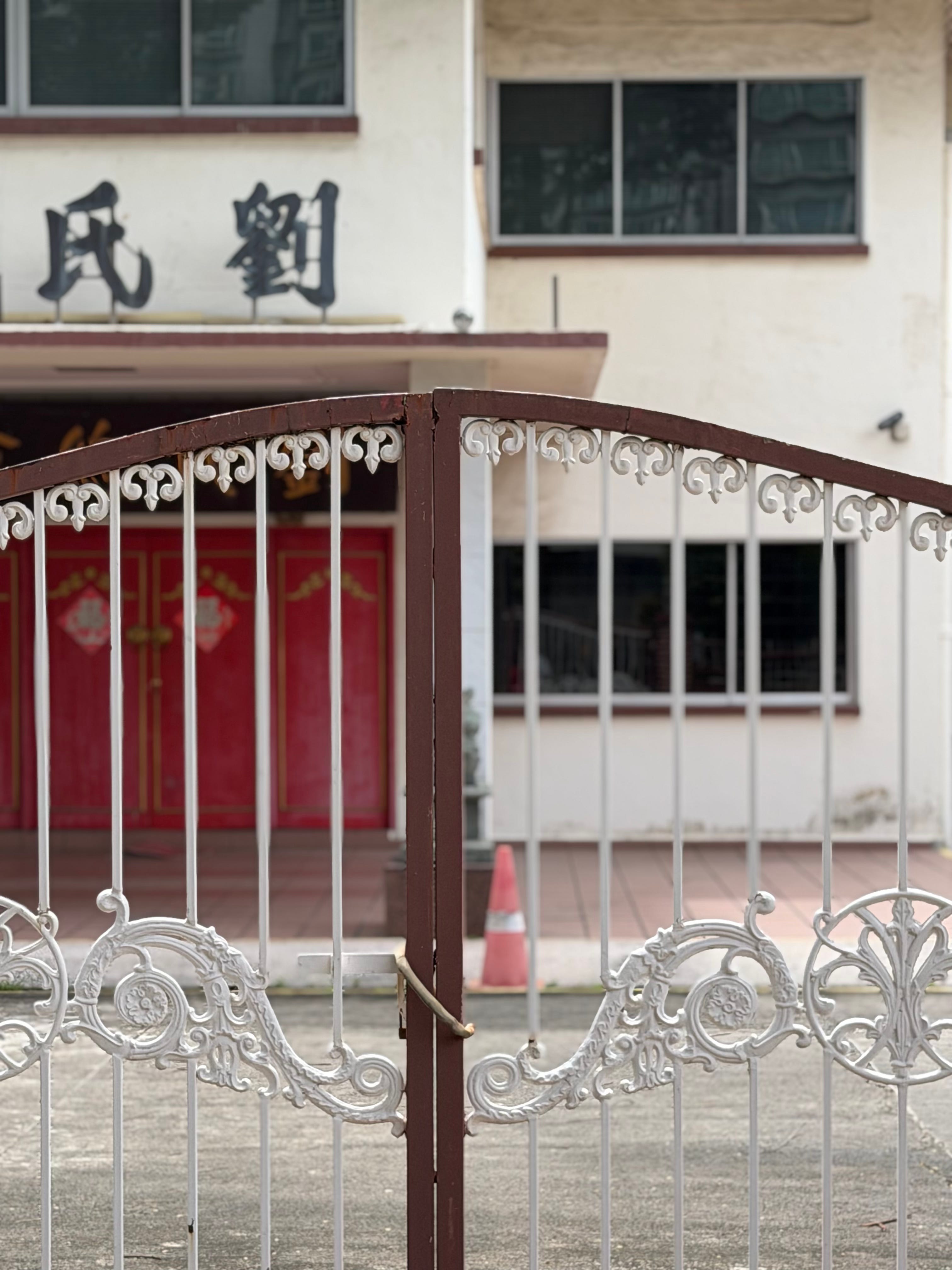
But I also know that, if not for this very engaging tour that wonderfully revealed some of Moonstone Lane’s unique past, a weathered ornate gate that looks out to a noisy expressway that serves no real purpose except as an imagined shield of protection and good fortune according to fengshui, would just be another eyesore like the many cranes that cloud Singapore’s skyline.